
What Counts as Vintage Murano Glass?
Vintage Murano glass usually means glass made on Murano between the 1940s and the 1980s; pieces older than that are antiques, and anything made recently is new. The middle of the twentieth century was a golden age for the island, and its vases, bowls, lamps and figures are now collected all over the world.
This guide explains how to date a piece, what to check before buying, how to spot the most common copies, what vintage Murano glass is worth, and how to choose between a vintage piece and a new one.
The Golden Age: Murano Glass From the 1950s to the 1970s
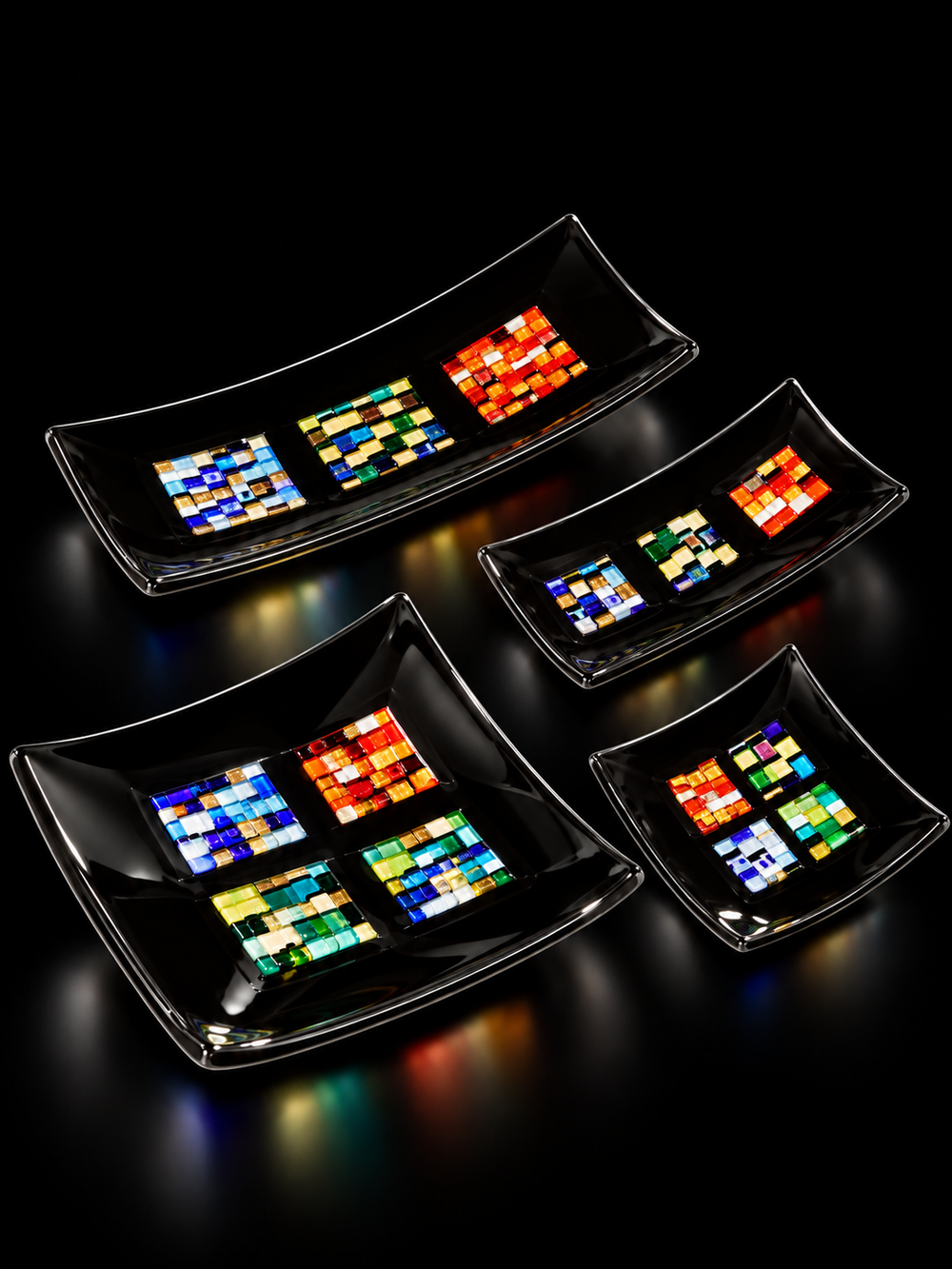
After the Second World War, Murano's furnaces worked with architects and artists and reinvented the island's techniques. Designers such as Flavio Poli made sommerso, "submerged" glass, famous: layers of colour sunk one inside the other in thick clear glass. Fulvio Bianconi and Paolo Venini created the fazzoletto, the handkerchief vase, in 1949. Bold colours, heavy glass and simple shapes filled the living rooms of the 1950s and 1960s.
The same decades saw a boom of tourist pieces: sommerso vases and bowls, glass animals, clowns, ashtrays and paperweights, made in large numbers for visitors. Most vintage Murano glass on the market today belongs to this second group. It is genuine and often charming, but it is not rare.
How to Date a Piece of Murano Glass
- Labels. Paper or foil stickers saying "Murano" or "Made in Italy" were common from the 1950s. They are easily lost, and easily moved from one piece to another, so treat them as a clue rather than a proof.
- Acid stamps and signatures. Some great furnaces marked their glass with an acid stamp or an engraved signature. Most vintage pieces were never signed at all, and a signature alone does not prove anything.
- The trademark label. The Vetro Artistico Murano label only appears on pieces made in recent decades. A genuine piece from the 1960s will not carry it.
- The base. Decades on shelves leave fine, random scratches on the base. A perfectly clean base on a "1960s" vase is a reason to look closer.
- Style and colour. Shapes and colour combinations changed with each decade; comparing with documented pieces in books and auction records is the most reliable way to date a design.
Our guide to Murano glass marks, signatures and labels goes into detail on each of them.
Condition: What to Check Before You Buy
- Chips and cracks. Run a finger round the rim and the base, and look through the glass against the light: a crack shows as a bright line.
- Polished rims. A chipped rim is often ground down, which leaves the piece shorter and a little out of proportion.
- Cloudiness inside. Vases that held water for years can develop a white haze that does not wash off. It is permanent damage, and it lowers the value.
- Lamps and chandeliers. Old wiring must be replaced, and every arm, cup and flower should be there. Our guide to Murano chandeliers explains what to check on a used one.
- Photos. When buying online, ask for photos of the base, the rim and any label, in daylight.
Vintage or Fake? The Most Common Copies
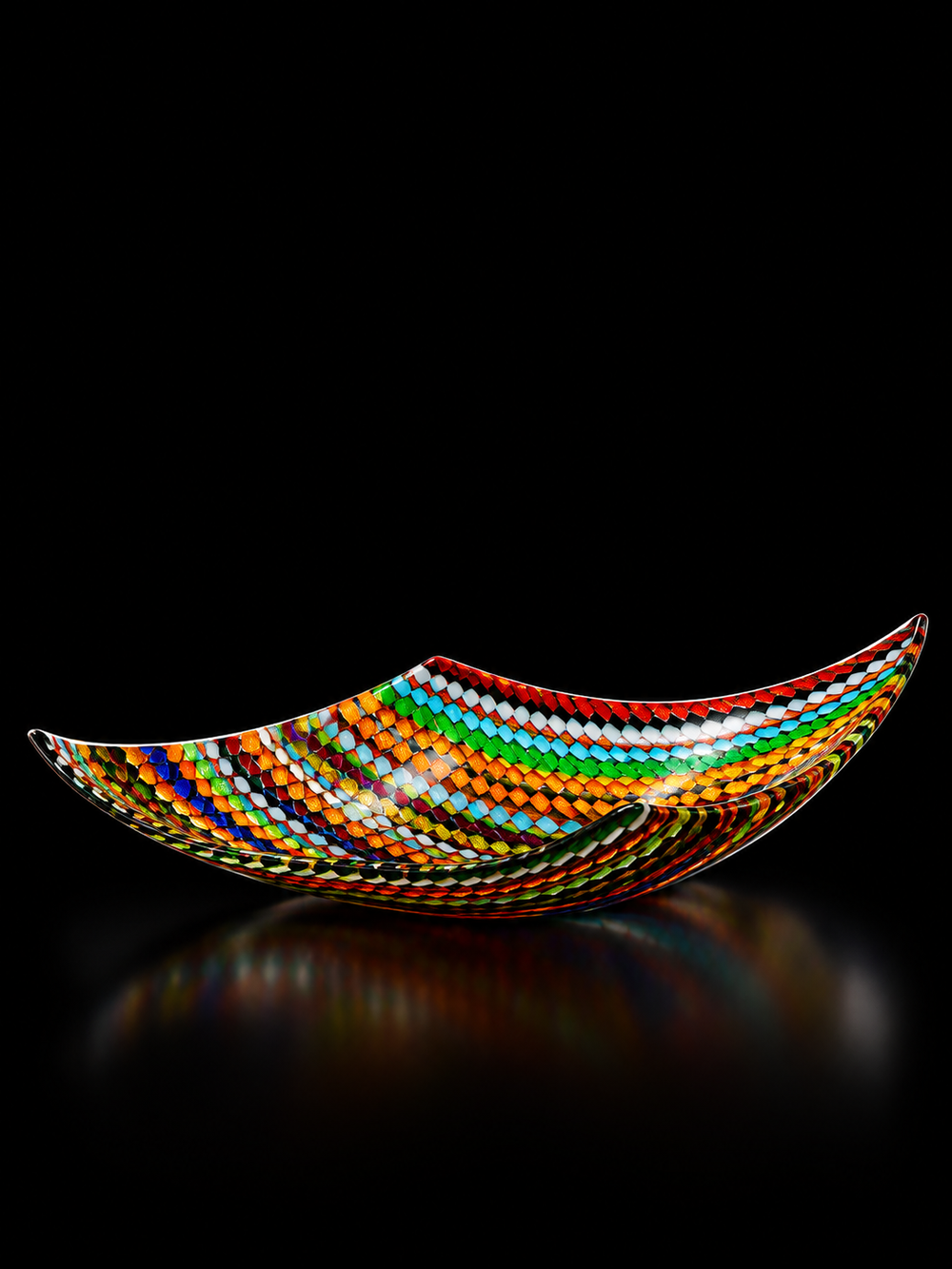
Because vintage Murano glass sells, it is widely copied. Sommerso vases, clowns, fish and millefiori paperweights are made in large numbers abroad and sold as "vintage Murano". The usual signs are glass that is light and thin for its size, colours that are flat and identical from piece to piece, a seam left by a mould, and a base that looks brand new under an "old" label.
Our guide on how to recognise authentic Murano glass covers the general signs of hand-made glass.
What Is Vintage Murano Glass Worth?
Three things decide the value: who made it, what condition it is in and how rare it is. Most unsigned tourist pieces from the 1960s and 1970s change hands for tens to a few hundred euros. Pieces that can be attributed to a known designer and furnace, with documentation, can reach thousands at auction. A chip, a crack or a cloudy interior can halve the price of any of them. Our guide to Murano glass prices and value explains how the market works.
Where to Buy Vintage Murano Glass
- Auction houses. The best place for documented designer pieces, with catalogues that describe condition.
- Specialist dealers. More expensive, but they should stand behind what they sell and accept returns.
- Markets and online marketplaces. Where the bargains are, and where most of the copies are too. Ask questions, ask for photos, and buy only with a return policy.
Whatever you buy, insist on proper packing: thick vintage glass survives decades on a shelf, but not a parcel packed in a single layer of bubble wrap.
Vintage or New: Which Should You Choose?
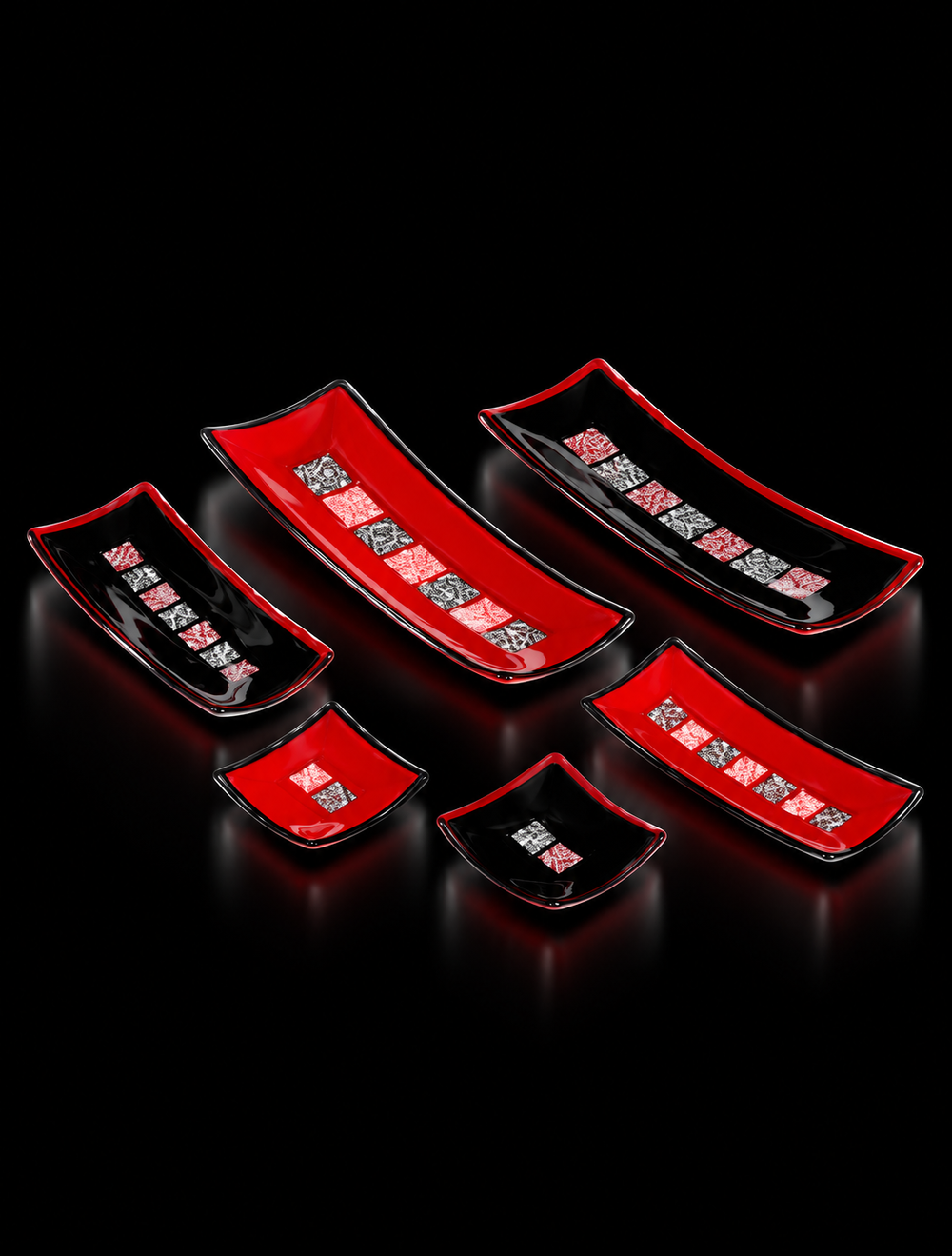
A vintage piece brings history and the patina of use; its colours and shapes belong to their decade, and the hunt is part of the pleasure. A new piece brings certainty: it is made by hand today with the same techniques, arrives in perfect condition, comes with a certificate of authenticity and can often be made in the colour and size you want.
The techniques that made the golden age famous are still worked on Murano. Our Aquarium sculpture holds a shoal of fish submerged in clear glass, and the Ghibli, Gotham and Socrate vases are all made in sommerso. They are new pieces, not vintage, and we sell them as exactly that.
Get a Second Opinion on Your Piece
If you own a piece, or are about to buy one, our Murano glass authentication opinion can help. You send us photos, and within three working days we tell you what we see: whether the piece looks like genuine Murano glass and where it is likely to come from. It is an opinion on authenticity and origin, not a valuation.
Frequently Asked Questions
How can I tell if Murano glass is vintage?
Look at the base for fine, random wear, check for old labels or acid stamps, and compare the shape and colours with documented pieces of the period. A label alone is not proof, because labels can be moved.
Is vintage Murano glass valuable?
Some of it is. Documented pieces by known designers and furnaces can be worth thousands; most unsigned tourist pieces are worth tens to a few hundred euros.
Was all vintage Murano glass signed?
No. Most vintage pieces were never signed. Some great furnaces used acid stamps or engraved signatures, but a signature can also be added later.
What is sommerso glass?
Sommerso, "submerged", is a Murano technique in which layers of coloured glass are sunk inside thick clear glass. It was made famous in the mid-twentieth century and is still made by hand today.
Is it better to buy vintage or new Murano glass?
Choose vintage for history and the thrill of the hunt, new for certainty, perfect condition, a certificate and the colour and size you want.
Find Your Piece of Murano
Whether you collect the golden age or want a piece made today, look for hand-made glass, honest descriptions and paperwork. Explore our Murano glass collector pieces, our Murano glass vases and our Murano glass sculptures, all made by hand and delivered with a certificate of authenticity.
The atmosphere photographs in this article are illustrations created with artificial intelligence; the product photographs show real pieces from our collection.
Discover Our Handcrafted Collection
Every piece is created by master artisans on the island of Murano, Venice — and accompanied by a certificate of authenticity.
Explore the Collection